Insights, tutorials, and updates
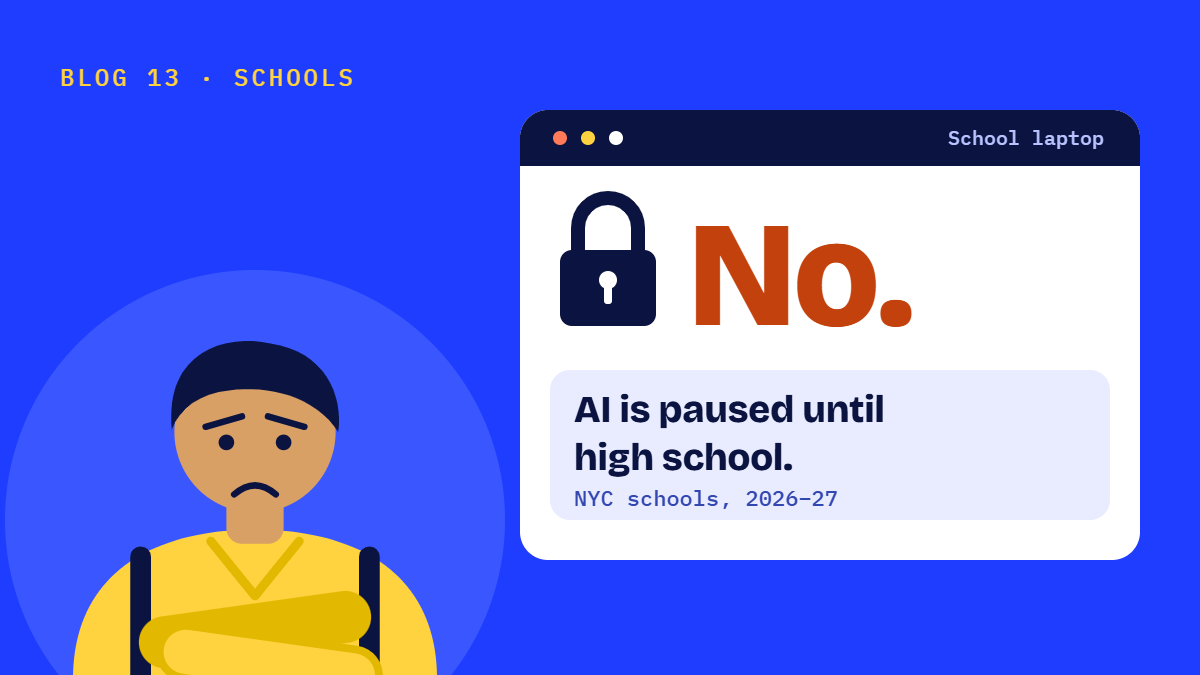
The biggest school system in the US just told nearly 600,000 students they can't use AI at school. New York City's mayor announced a one year ban covering pre-K through eighth grade. High schoolers can still use it, but only in limited pilot programs with AI literacy classes, and companion chatbots, the ones built to give emotional support, are banned for every grade (AFP). I'm in grade 10, so I'm on the "allowed, sort of" side of this. I still have opinions. New York isn't the only one. Hours after that announcement, Los Angeles paused AI on school devices for the whole school year, and in Chicago some school board candidates are pushing for a three year pause (Guliyev). Teachers aren't exactly calm either. An NPR/Ipsos poll found that 55 percent of teachers think students mostly use AI as a shortcut to avoid work, and 57 percent say it makes it harder to tell what students actually know (Guliyev). I'd be lying if I said that doesn't match what I see in class. Here's what I agree with. Banning companion chatbots is smart. I wrote earlier about how chatbot friends can leave teenagers lonelier, and I would not want a twelve year old learning to open an app first every time something feels bad. Here's what I don't agree with. A blanket ban treats AI like a light switch, when the real problem is how it's built and how it's used. In the Wharton and Penn study from blog 11, students who practiced with regular GPT-4 did 17 percent worse on an exam without it. But the students who got a version designed to give hints instead of answers mostly avoided that damage (Bastani et al.). Same technology, very different result. To me that says the fix is better design and better habits, not zero access. A ban is also hard to enforce. Google's Gemini can pop up when students search on school Chromebooks (Guliyev), so AI is already inside the tools schools use. And a school rule does nothing about what happens at home. Kids will still use it there, just with nobody teaching them how to use it properly, and the ones who get hurt most are the ones with the least support outside of school. Janice Jackson, a former CEO of Chicago Public Schools, also warned that broad bans could take away tools that really help students with special needs and students learning English (Guliyev). To be fair, the other side has a real point. Mayor Mamdani said kids need teachers, human connection, and the chance to struggle through hard problems on their own (AFP), and I agree with that. A one year pause with a task force studying the results isn't a crazy idea, especially since even Jackson says it's too early to judge any of these policies (Guliyev). But the pause only works if the year actually gets used to build AI that makes students think first, and to teach kids how to use it. If it's just a waiting room, then next year a 14 year old gets handed the full unrestricted tool with zero practice, which is exactly the situation the ban was supposed to prevent. So my take is simple. Ban the shortcut, not the tool. Works Cited AFP. "US's Largest School System Bans AI Use for Students until High School." VnExpress International, 5 Sept. 2026, e.vnexpress.net/news/tech/tech-news/us-s-largest-school-system-bans-ai-use-for-students-until-high-school-5116162.html. Bastani, Hamsa, et al. "Generative AI without Guardrails Can Harm Learning: Evidence from High School Mathematics." Proceedings of the National Academy of Sciences, vol. 122, 2025, article e2422633122. Guliyev, Aghakazim. "AI Backlash Reaches the Classroom in US." Caliber.az, 8 Sept. 2026, caliber.az/en/post/ai-backlash-reaches-the-classroom-in-us.
Everyone has a story about a self-driving car doing something weird, stopping randomly in an intersection or getting confused by construction cones. Those clips go viral because they are unusual and a little funny. What does not go viral is the actual safety data, and that data tells a very different story than the internet vibe around this technology. Waymo released a safety report covering close to 100 million fully driverless miles across four American cities through June 2025. Compared to human drivers on those exact same roads, Waymo's cars were involved in 91 percent fewer crashes that caused serious injury or death, and 80 percent fewer crashes that caused any injury at all. At intersections specifically, which are some of the most dangerous parts of any city to drive through, the injury crash rate was 96 percent lower than human drivers (qtd. in "Car Crashes"). Those are not small margins. That is not a technology that occasionally does better than us, that is a technology operating on a completely different level of consistency. I get why people are still nervous about this. Handing control of a two ton object moving through a crowded street to software feels different from trusting software to recommend a song or grade an essay. If a human driver messes up, we understand why, they were tired, distracted, texting, drunk. When a machine messes up it feels less explainable and somehow scarier, even if it happens far less often. But that emotional reaction is not actually about safety, it is about control, and those are two different things. The uncomfortable conclusion is that most car crashes are not caused by bad luck, they are caused by human error, and human error does not go away no matter how many safety ads car companies run. If a technology is already measurably reducing the number of people who get seriously hurt or killed on the road, resisting it because it feels unfamiliar is not a neutral choice. It has a cost, and that cost is paid by the people who get into crashes that could have been prevented. Works Cited "Car Crashes Are a Public Health Crisis. Autonomous Cars Are the Cure." CleanTechnica, 3 Dec. 2025, cleantechnica.com/2025/12/03/car-crashes-are-a-public-health-crisis-autonomous-cars-are-the-cure/.
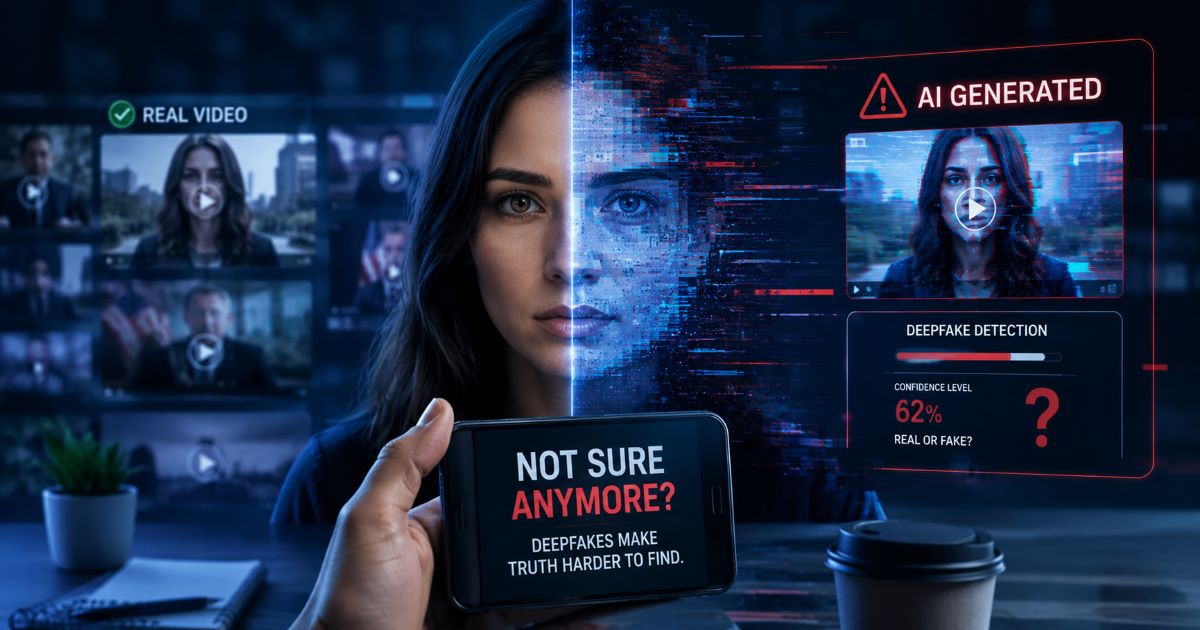
A 2025 iProov study found that only 0.1% of people could accurately identify every AI-generated image and video, highlighting the growing challenge of deepfakes and digital trust.
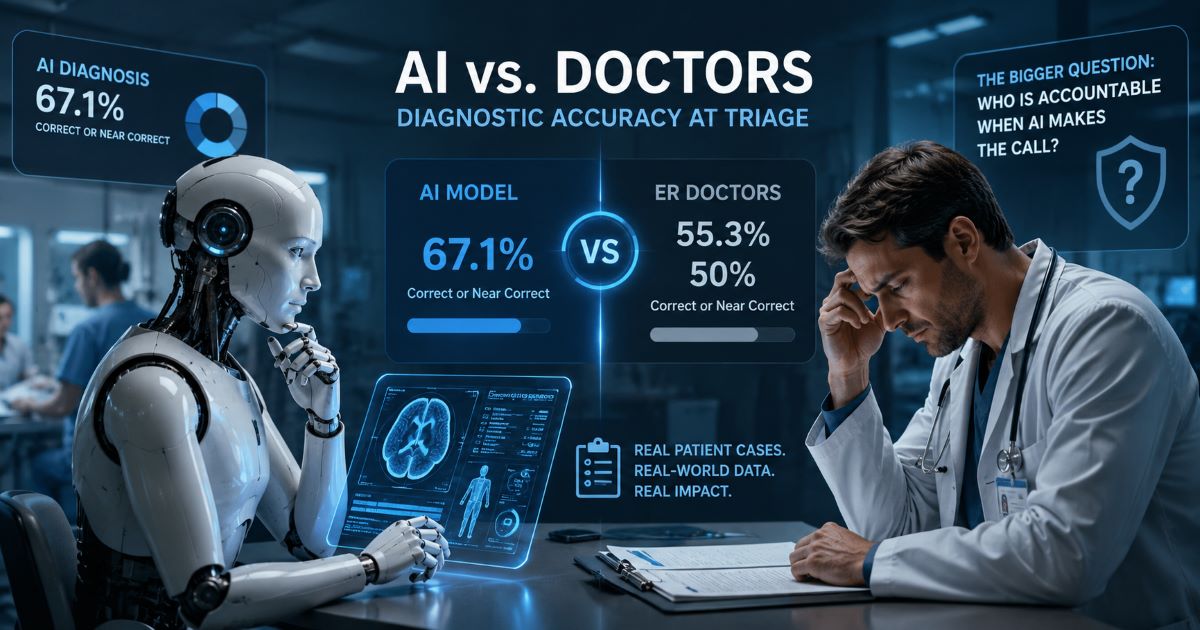
A Harvard–Stanford study found that an AI reasoning model outperformed emergency room doctors in diagnostic accuracy using real patient cases. But while the results are impressive, the bigger question remains: who is accountable when AI gets a diagnosis wrong?
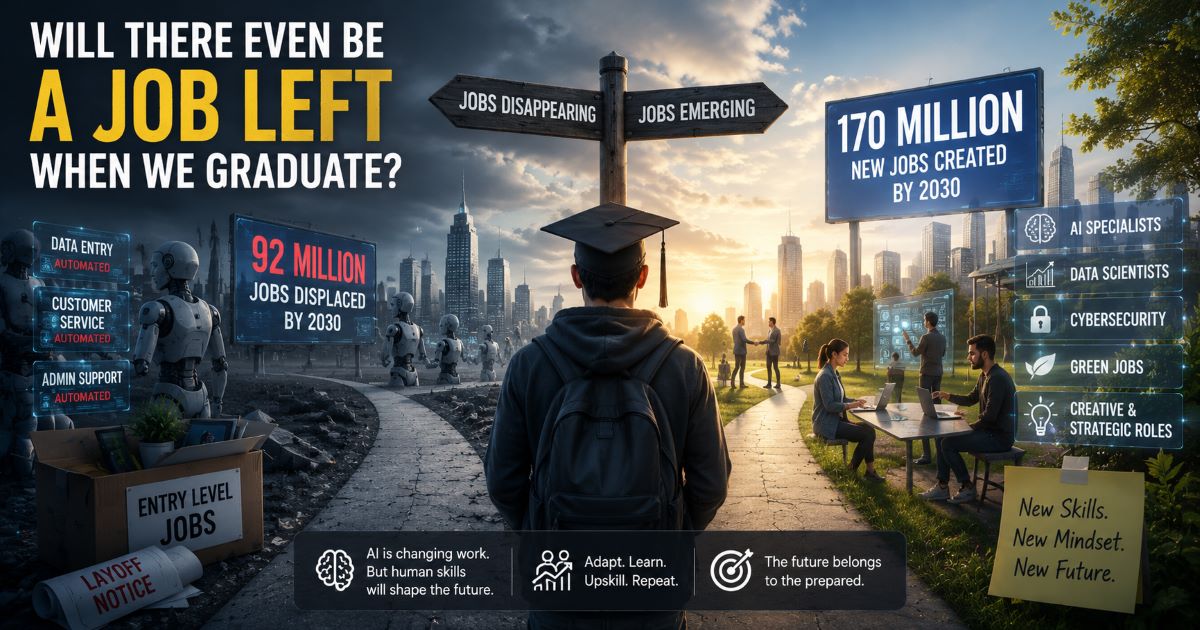
AI and automation are transforming the job market faster than ever. Discover what the latest World Economic Forum report says about disappearing entry-level jobs, emerging career opportunities, and the skills students need to thrive in an AI-driven future.
AI chatbots like Snapchat My AI and Character.AI are becoming more than just digital assistants—they are becoming companions for many young people. This article explores why people are turning to AI for emotional support, what recent research reveals about loneliness, and why AI should complement, not replace, real human relationships.
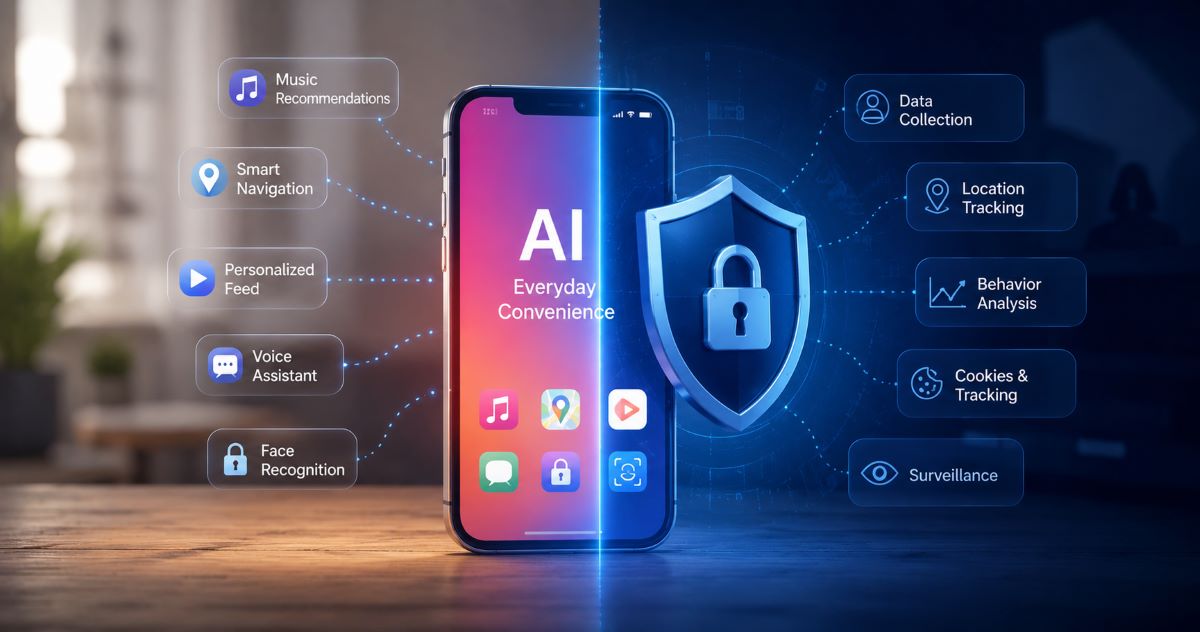
Artificial intelligence has become an invisible part of everyday life, making smartphones, apps, and online services smarter and more convenient. However, this convenience often comes at the cost of sharing personal data, making privacy awareness more important than ever.
Generative AI is revolutionizing creative industries by making art, writing, and design more accessible than ever. While these tools offer exciting possibilities, they also raise important concerns about copyright, artist compensation, and the future of creative careers.
Every AI search consumes more resources than most people realize. From energy-hungry data centers to massive water consumption for cooling, discover the hidden environmental impact of artificial intelligence and why sustainable AI matters.
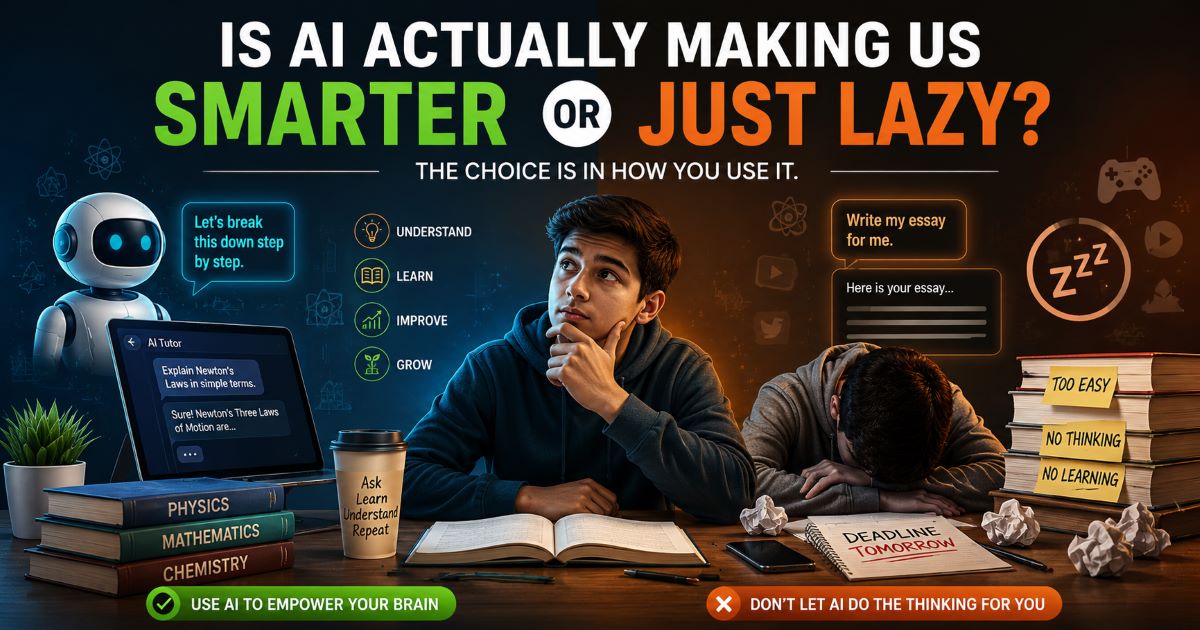
Artificial intelligence is transforming education by helping students learn faster and understand difficult concepts. But does relying on AI improve learning or weaken critical thinking? Explore both sides of the debate in this article.